Wednesday, November 3, 2010
The Gonk - Continued...
This shows the gonk vibrating. it didnt seem to work in the earlier video! dam technology.
All in all this shows how each device can communicate comforting interactions between child and parent. allowing the sick child to feel at ease once he or she see's that the parent is their and in a sense the parent is the telepresence that is communicating through the device, understanding and comforting the child accordingly, even though they may be miles apart the child can be at ease knowing they are not alone and can still have the ability to emotionally communicate to mum and dad!

DNB601 The Gonk - Telepresence Interaction Design
Lights, Vibrations, squeezes, rumbles, illuminated hair. Great interactivity between users. working models indicate how it is to be used within context of a hospital environment. Intuitive usage and understanding. The product is Lithium Ion Battery Powered and utilizes magnet induction charging. The inner base material is to be a non porous flexible material that is hermetically sealed, waterproofing it and allowing it to be rigid yet fairly flexible as a materials similar to a rigid vinyl material.
Monday, November 1, 2010
OBJECT
The design intent for object, in which was my initial designated role, is to encompass various critical design attributes of our design. This mainly entailed the physical, and classic industrial design aesthetics, manufacture-ability, processes, materials and other such physical aspects of the design. This meant ingraining a sense of understanding for the physical, visible and or tangible components of our group’s design.
These considerations included resolving the form of the product, which embraces a small toy sized product that speaks with a visual aesthetic similar to children’s toys. The base cylindrical form is to have a skin cover placed over it and fastened with an appropriate latch mechanism. Therefore the base colour will remain a neutral un-bias colour allowing each of the users to individualize their own product to their personal liking, which we found fundamental in current communication devices and applications. However the base texture and finishes will be of medical standard plastics and metals that are waterproof and hygienically appropriate for such a sterile environment, meaning it may face frequent sterilization or cleaning. The product adheres to an ergonomically suitable shape, similar to other soft comforting toys, it has a well balanced core that allows it to stand upright and be held without strain or a great deal of effort. The controls are intuitive in use and as the user interacts with the toy it will send an appropriate message according to how it is being interacted with, hugs = pressure in and out at the waist or mid section of the product. Eyes and sounds will dictate identification issues. The designed product is to be manufactured and assembled so that standard accessibility will be restrained with fusion, screws and tight joins restricting the ability to take it apart and damage it easily by the user.
The product is to be assembled with a structural spine that has other mechanisms mounted from the structural spine within the design, this allows it to be robust and treated with a fair level of roughness and intensity with high durability and longevity. While the design is to be mainly housed in a medical environment the life expectancy of the product is fairly high and in regards to cradle to cradle will be used by many various different patients of varying ages. That’s why the individualization capabilities with skin covers allow the product to last a substantial period of time to be used by many users throughout its extended lifecycle. The components within the design adhere to behavioral appropriateness, which Brad will/has explain(ed) further. Such equipment includes potentiometers, accelerometers, vibratory mechanisms, LED lights and appropriate sounds which will help identify which users are interacting with the design at various times.
TEAM MEMBERS - REFER TO BLOGS : FINAL MODEL
It is important to state that my team members for this final design project are Alex Kinsella and Brad Landry, Alex has been our Scenario specialist and Brad has been our Behavior specialist. their blogs with uploaded utube videos of our resolved design can be found at the following links: http://adkinsella.tumblr.com/ and for brad: http://bradleyjasondesign.blogspot.com. All three blogs have a combination of object, scenario and behaviour postings and should all be viewed to get a total understanding of the project. here are a few images explaining this: (for further viewings please explore all blogs):

FINAL MODEL
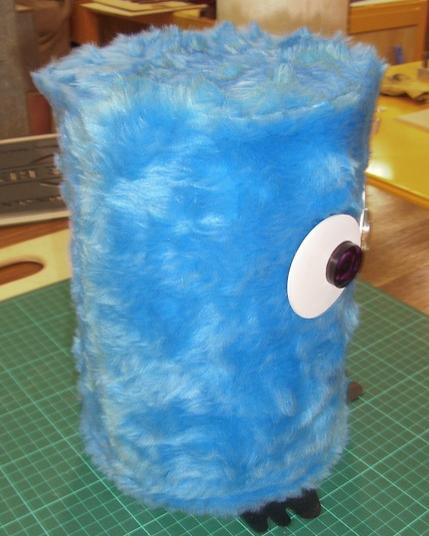
FINAL MODEL

Construction

Soft Model idea in holding context

Components/exploded view of final design: OBJECT
CAD Models


n

These models have been screenshot from CAD solidworks drawings and show the construction that will be upheld in the cylinder and main component of the object. this represents the finalising of the end shape, cut, extrusions, moulding and overall harmony between the understanding of scenario, object and behaviour!
Primitive Mechanics: Models

These are some very primitive mechanics which may be applicable for our design. this could be considered a section of the modeling process, however, it is to show how a sound and a row of LED lights might function within the design allowing for wireless connectivity, seamless and intuitive awareness and usage by both recipients of the messages conveyed by the design.
Skins FINAL...
 These are the final drawings better explaining how the skin covers are placed and fastened to the design. Fairly simply but worth demonstrating to convey the effect and further possibilities. These characters have simply been chosen to suit our users and to help them interact with the object. both are considered popular and therefore warrant an interest in a 'skin' type individualization.

Sponge Bob Square Pants Skin Cover Style

Octopus Style
Subscribe to:
Posts (Atom)